
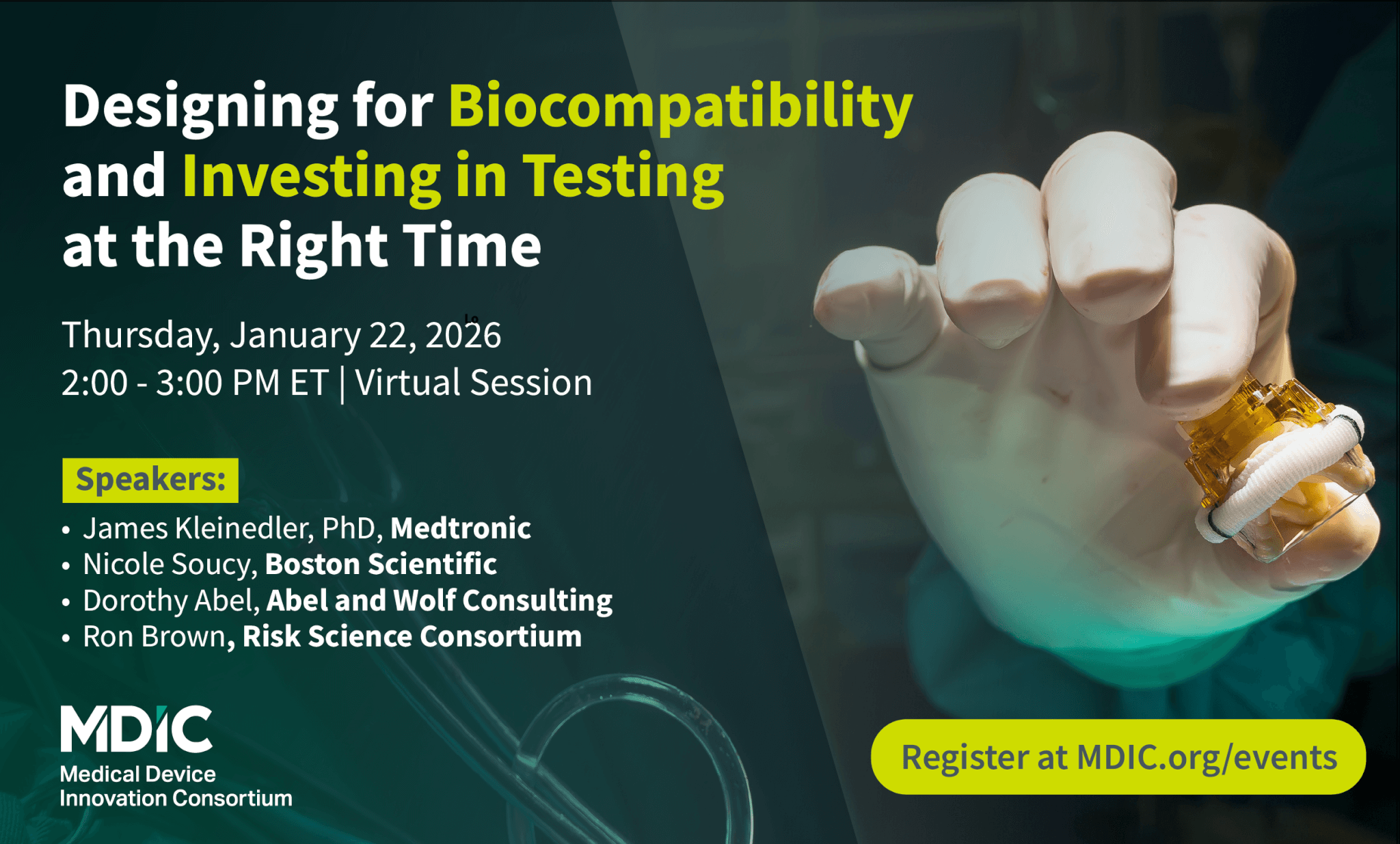
Webinar: Designing for Biocompatibility and Investing in Testing at the Right Time
Presented By:

James Kleinedler, PhD
Director, Regulatory Strategy at Medtronic
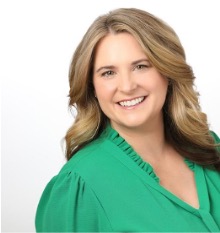
Nicole Soucy
Sr. Director, Global Toxicology, Biocompatibility and Chemical Characterization, Boston Scientific
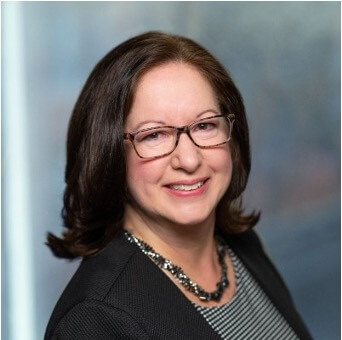
Dorothy Abel
Partner, Abel and Wolf Consulting

Ron Brown
Toxicologist, Risk Science Consortium
Webinar Overview
January 22, 2026 | 2:00 – 3:00 PM ET
Early-stage medical device companies frequently encounter FDA setbacks—not because biocompatibility was ignored, but because it was addressed too late, too narrowly, or without the right supporting evidence. This interactive webinar brings together regulatory, technical, and programmatic perspectives to help teams design biocompatibility into their devices from the start and make smart, timely investments in testing that support IDE and EFS success.
This session is designed as a candid, experience-driven conversation focused on real-world challenges, common FDA concerns, and practical strategies teams can apply immediately.
Why Attend
Biocompatibility remains one of the most common—and most misunderstood—drivers of IDE disapprovals. FDA expectations extend well beyond checklist compliance, and missteps around materials, suppliers, data leverage, or documentation can introduce costly delays.
This webinar will help you understand not just what FDA expects, but why—and how to align your design, testing, and documentation strategies accordingly.
Who Should Attend
This webinar is especially valuable for:
- Start-up and early-stage medical device companies
- Regulatory, quality, and R&D professionals
- Program managers planning EFS or IDE submissions
- Teams navigating frequent design iterations
- Sponsors working with external labs, suppliers, or consultants
What You’ll Learn
Attendees will leave with a clearer understanding of:
- Why IDEs are frequently disapproved due to biocompatibility gaps
- How to proactively design biocompatibility into devices through material selection, supplier engagement, and documentation
- What FDA looks for beyond ISO checklists, including context-specific risk considerations
- When and how existing biocompatibility data can be leveraged—and when it cannot
- How early testing decisions can either accelerate or derail EFS and IDE timelines