
Innovation in Action: Highlights from MDIC’s 2025 Summits
MedTech Innovators Converge at MDIC's Co-located Summits
Over the course of four events hosted in College Park, MD, November 4-6, 2025, the Medical Device Innovation Consortium (MDIC) convened over 600 MedTech professionals from industry, government, academia, and patient communities for the Medical Extended Reality Summit, Symposium on Computational Modeling and Simulation, Excellence in Quality Summit, and the inaugural Real-World Evidence Summit. Across three days of programming, one unifying theme emerged: innovation in medical technology thrives when collaboration drives credibility, quality, and patient focus.
Together, these summits underscored the breadth of MDIC’s mission and focus, from digital transformation to in silico science to holistic quality culture to next wave evidence generation.
A Shared Vision for Innovation and Collaboration
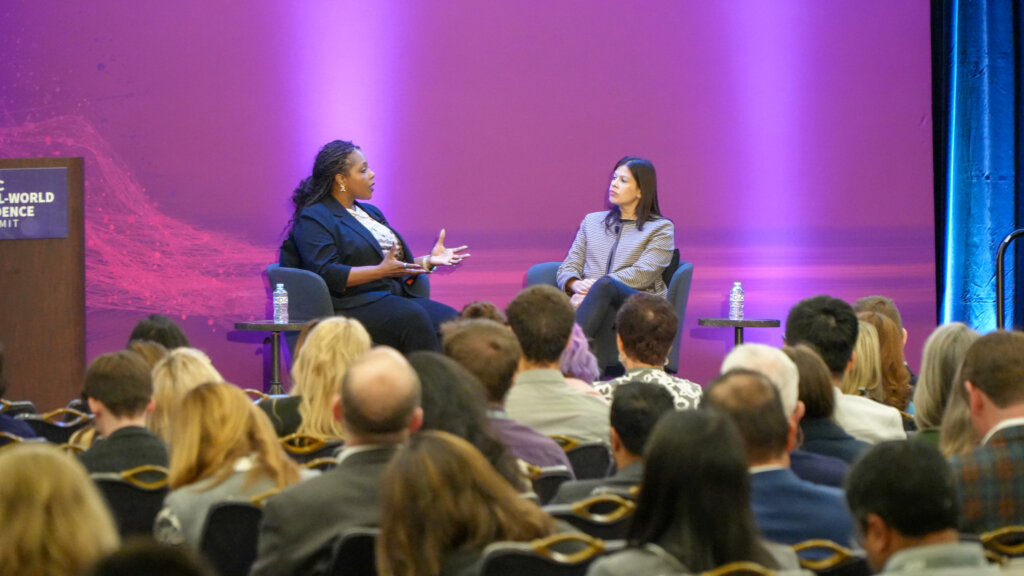
In a presentation to attendees of all four summits, Dr. Michelle Tarver, director of the FDA’s CDRH, provided a plenary keynote leading into a fireside chat alongside MDIC Board Chair Ami Simunovich. The conversation surfaced the concepts that progress depends on uniting data, design, and delivery to accelerate access—while safeguarding patient trust.
In the fireside chat, Dr. Tarver expanded on how organizational culture and quality systems can serve as strategic differentiators. Their conversation underscored that a culture of quality is not a compliance exercise — it’s a catalyst for innovation. As MDIC initiatives increasingly intersect across the total product lifecycle, that cultural foundation is what enables a sustainable, patient-centered approach to emerging technologies.
Medical Extended Reality: From Vision to Real-World Impact
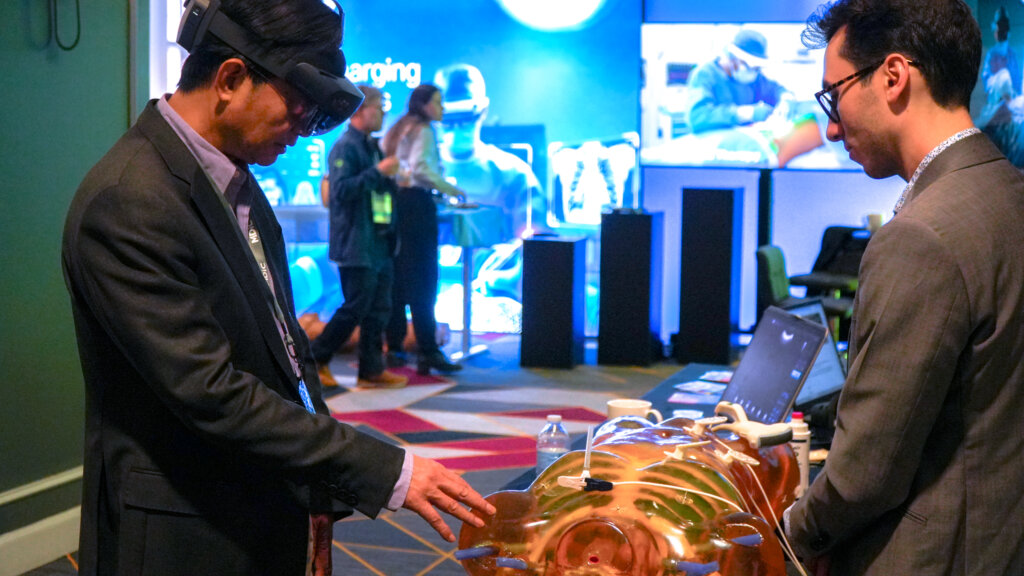
The Medical Extended Reality (MedXR) Summit brought together innovators, clinicians, and regulators to explore how XR technologies can reshape surgery, rehabilitation, and patient education and enjoyed demonstrations on the cutting edge of immersive technology in a home healthcare setting.
The MedXR Summit underscored that immersive technologies are no longer speculative—they are delivering meaningful clinical benefit today. Presentations were rich with shared lessons on deployment, clinical validation, and reimbursement, emphasizing that “no one plan fits all,” but collaboration accelerates progress.
“What excites me most about medical extended reality is the opportunity to truly change patients’ lives… At this summit, we saw a patient testimonial where the caregiver talked about how her child now has 20/20 vision. His confidence has changed — his whole life has changed. She described it in one word: it’s everything.” – Aubrey Shick, Principal at Launch and Logic
A standout moment came with the launch of SnkeXR, the first medical grade, open platform AR glasses purpose-built for the medical technology industry. The announcement symbolized how XR is maturing from experimentation to adoption and connecting AI-enabled insights with real-world clinical environments.
As one first-time attendee and MedXR startup co-founder shared on LinkedIn, the summit was “truly eye-opening,” offering a rare opportunity to see a holistic view of so many different pathways come together in one room. Meeting innovators at various stages of their journeys and seeing their unique approaches to improving patients’ lives with XR was immensely inspiring.
Computational Modeling and Simulation: Credibility in the Digital Era
At the Symposium on Computational Modeling and Simulation (#ModSim2025), the spotlight turned to the growing role of in silico medicine in advancing safety, efficacy, and efficiency in device development.
Researchers, regulators, and industry leaders discussed the next frontier for computational modeling, digital twins, and AI-based simulations. Presentations examined both opportunity and responsibility, emphasizing that credibility means understanding not only what models can do, but also their limitations, uncertainties, and assumptions.
From orthopedic digital twins to system-level simulations, the discussions reflected a shared commitment to rigor and transparency. As international attendee, Mark Trew, Senior Fellow at the Auckland Bioengineering Institute in New Zealand, reflected:
“There are just so many people working in interesting computer modeling and simulation areas, and as somebody coming from academic research, it is really neat to see the effort being placed on the whole validation, verification and uncertainty quantification. I learned a lot about what is required, particularly from a regulatory point of view.”
Excellence in Quality: Culture as a Catalyst
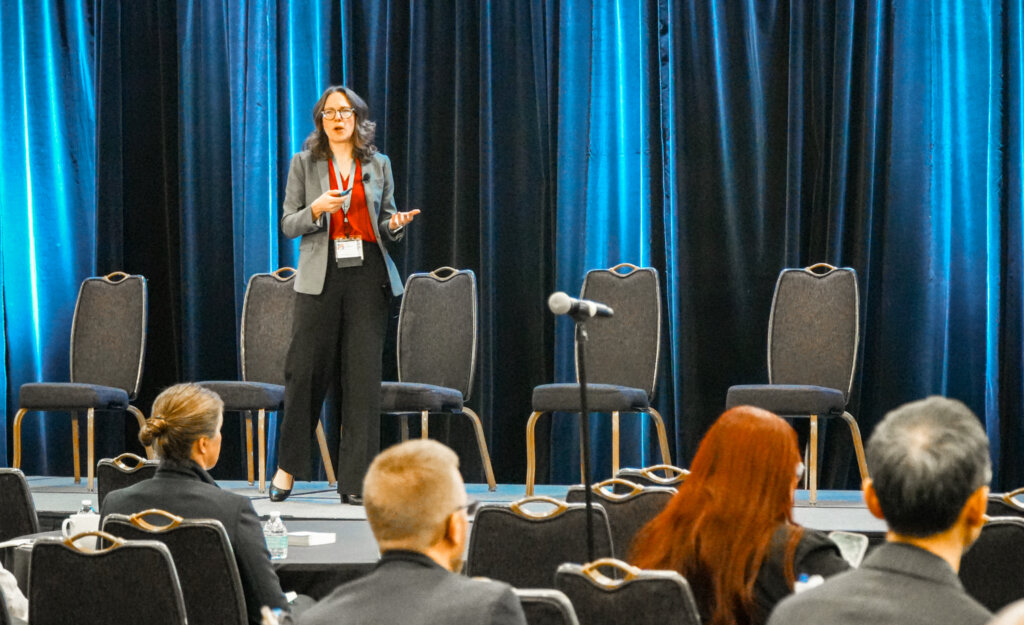
The Excellence in Quality Summit brought together leaders from across the MedTech ecosystem to explore how technology, data, and mindset drive quality as a strategic advantage.
Sessions centered on how AI and advanced analytics can help identify risk earlier, enhance consistency, and support decision-making—but the conversation consistently returned to culture as the core. True excellence in quality, participants agreed, comes when organizations align people and systems around a shared vision of patient-centric performance.
“It was great to meet and hear from so many inspirational quality leaders… my main take-away is thinking about how we can use AI and other innovative technology to support quality excellence.”
– Daniel Little, Quality Specialist, on LinkedIn
Real-World Evidence: From Concept to Cornerstone
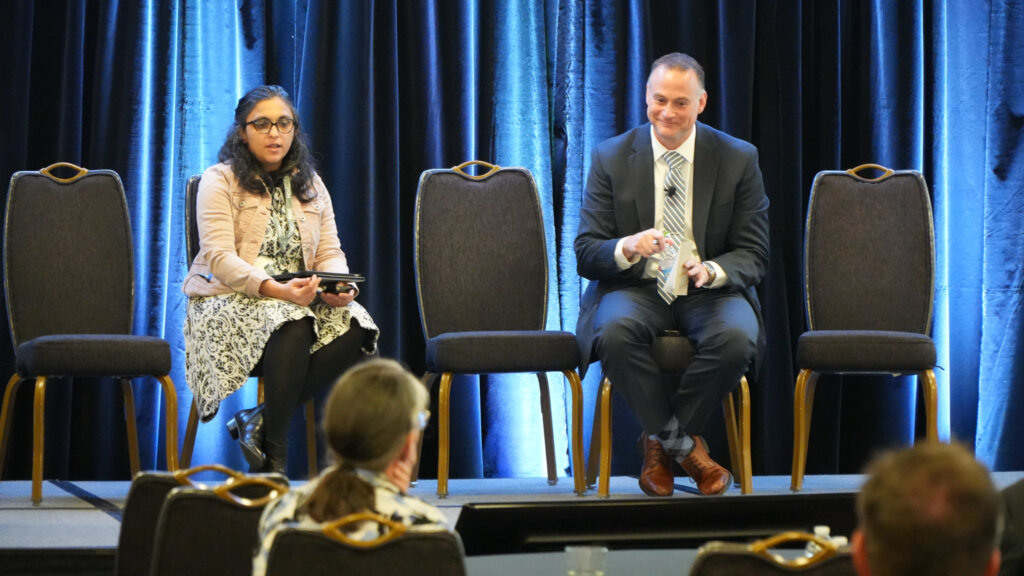
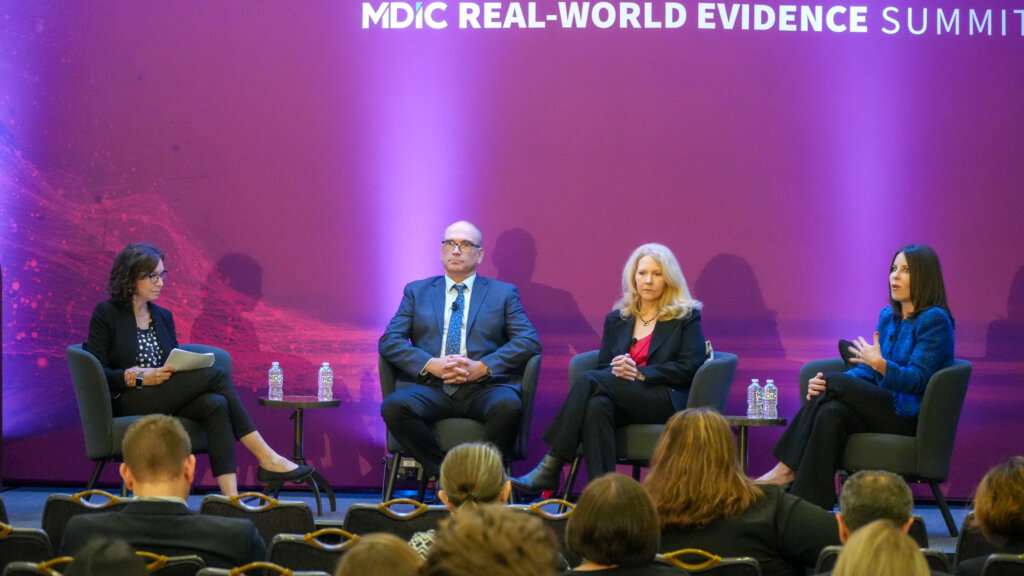
The Real-World Evidence Summit demonstrated just how far the field has come. What once felt like a pilot discipline has become a central pillar of medical device evaluation.
Speakers from FDA, industry, data science, and health systems shared how real-world data (RWD) is now informing regulatory submissions, label expansions, and post-market surveillance. Discussions around the updated NEST Data Quality and Research Methods Frameworks, released during the Summit, emphasized transparency, lineage, and governance as the foundations of credible evidence.
MDIC Board Member and Chief Technology Officer Girish Naganathan underscored how MDIC’s platform is accelerating the responsible use of real-world evidence across the ecosystem. As he explained, “it’s about a proactive way in which [MDIC] is bringing in real-world evidence and tying RWE into the decision-making process to bring products that are safe and effective at an acceptable cost and time to market—from an innovation standpoint.”
Panelists showcased practical implementations, from Truveta and Aetion/Datavant to Baylor Scott & White, demonstrating how linked datasets can accelerate safety evaluation and access. AI and data linkage were cited as powerful enablers, provided they remain explainable and bias-aware.
As one attendee summarized, “We’re not debating whether RWE works, we’re collaborating to make it trustworthy, reproducible, and scalable.”
Connecting the Threads: Collaboration at the Core
Across all four summits, a consistent pattern emerged: advancing innovation requires an ecosystem mindset. Extended reality depends on credible modeling. Modeling relies on rigorous quality systems. Quality and culture determine how effectively real-world data can be trusted and applied.
Each summit enhanced the key messages reverberated across the events: creating a shared foundation of evidence, safety, and collaboration. The experience superseded four separate events into a multi-faced, connected conversation about the future of medical device innovation serving the collective goal of delivering better outcomes for patients through trust, science, and collaboration.